Physical Address
304 North Cardinal St.
Dorchester Center, MA 02124
Physical Address
304 North Cardinal St.
Dorchester Center, MA 02124
In many kitchens and restaurants across South Asia, a single question sparks strong opinions: “Do potatoes belong in biryani?” For some, the soft aloo soaking up biryani gravy is a delicious surprise. For others, it’s a culinary mismatch. This article explores the regional traditions, historical reasons, and flavour benefits of potatoes in biryani, focusing on how and why some biryanis include them. We’ll also answer key related questions seamlessly along the way.
The version of biryani from Kolkata is well‑known for including potatoes. These aren’t just occasional additions; they’re considered essential by many. The dish even lists potato as a main ingredient.
One widely told story places the origin when Wajid Ali Shah was exiled from Lucknow to Kolkata in the mid‑19th century. His chefs adapted the biryani by adding potato as part of the seasoning and layering process. Some sources say it was due to cost‑saving while others dispute that.
As one food blog puts it:
“Ask any true‑blue Bengali, and they’ll insist there’s nothing as delicious as a biryani made with aloo.”
In Pakistan, especially in Karachi/Sindh style biryani, potatoes‑or “aloo”‑often appear. One travel guide notes:
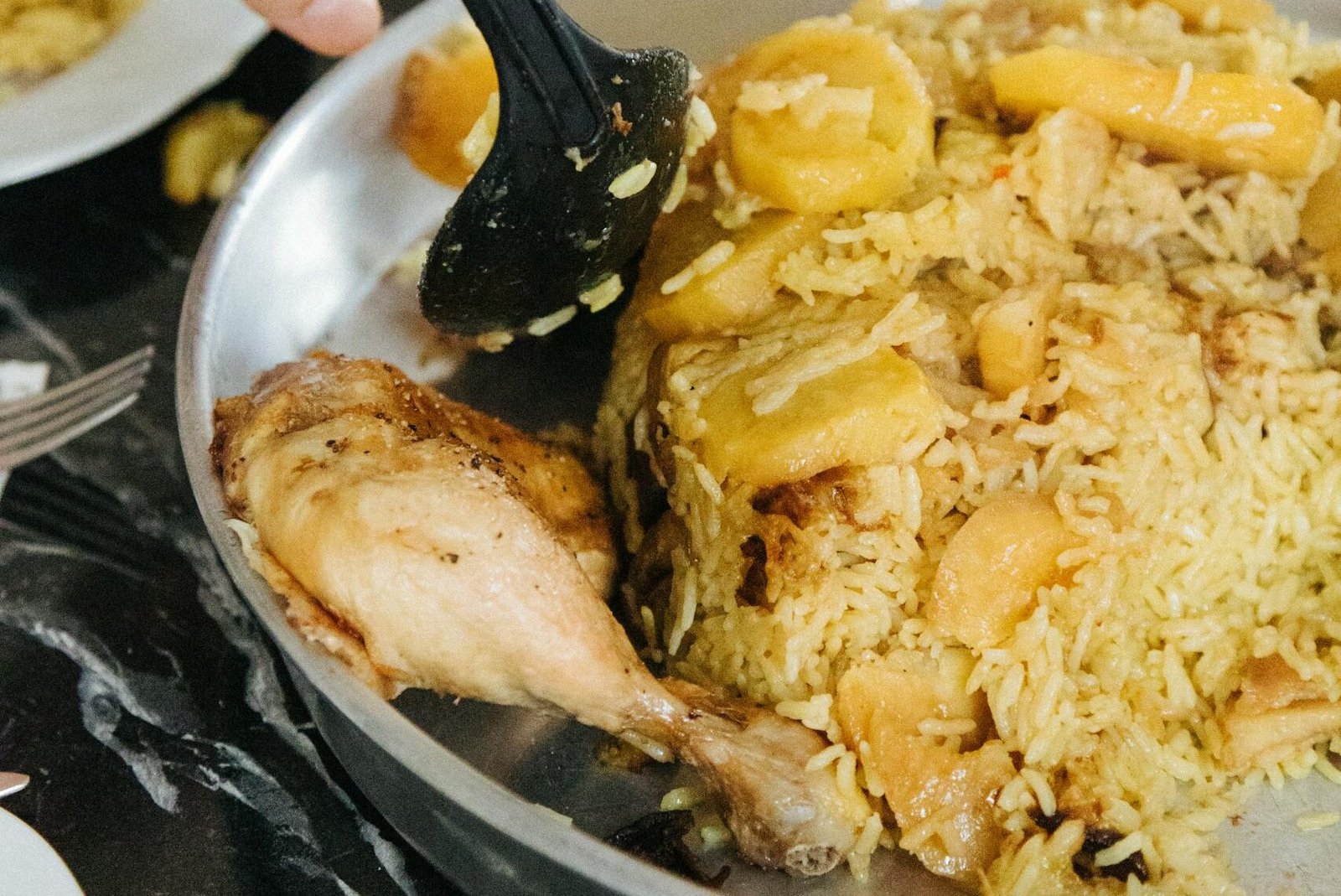
“Biryani, a spiced rice dish layered with meat and potatoes (a uniquely Karachi touch) is the city’s most beloved meal.”
On food forums from Pakistani biryani fans say:
“You almost always add aloo to biryani. Go visit Karachi … if you think this is up for debate.”
So yes‑in Karachi style, potatoes are largely accepted and expected.
In contrast, many traditional biryanis from Lucknow (Awadhi) and Hyderabad avoid potatoes. Food‑culture writers emphasize this difference:
“You won’t find potatoes in Hyderabadi biryani.”
Similarly, some purists consider aloo as a departure from the classic meat‑rice concept. One netizen said:
“Any biryani without potatoes … who adds potato anyway?”
One practical reason is flavour absorption. Potatoes soak up gravy, spices and meat juices, adding pockets of flavour and texture in each bite. One article describes this:
“Potatoes … store well, were inexpensive, and could absorb the rich gravy without overpowering the rice.”
In Kolkata, one narrative is that potatoes were introduced to manage costs. But recent food historians argue otherwise, that the addition was more an innovation and flavour choice than mere economizing.
In Pakistan and Sindh, the practice of adding aloo may relate to regional preferences and family‑style cooking, where meat is layered with rice and potatoes as supporting ingredients.
In Kolkata, and parts of Pakistan, the potato becomes part of the signature taste‑profile:
“More than a century on, Calcutta still stands divided. Along the thick potato line when it comes to the biryani.”
So potatoes aren’t just filler; they form part of culinary identity in certain regions.
Yes, in certain regional styles, inclusion of potatoes in biryani is not just acceptable, but traditional and beloved.
If you enjoy potatoes in biryani, you’ll find rich, flavour‑packed experiences in Kolkata‑style or Karachi/Sindh styles. Many diners expressed affection:
“They taste damn fine!”
That said—if you prefer a version without aloo, traditions like Lucknowi or Hyderabadi cater to that. In short: whether potatoes “belong” depends on the regional style you follow.
Yes, in regional styles where the tradition includes them (Kolkata, Karachi/Sindh). In other styles, they may not be included.
Yes, many biryanis in Karachi style include aloo and locals embrace it. Forum comments confirm:
“Biryani without potatoes is not biryani. … Go visit Karachi and eat proper biryani.”
Yes, it’s a well‑known and defining feature of Kolkata biryani.
In many styles, yes. In Kolkata, Karachi and Sindhi biryanis, potatoes are common and integral. In others like Hyderabad or Awadh, less so.
If you are cooking in a style that traditionally includes aloo, then yes, it enriches the flavour and texture. For other styles, it may not be part of the tradition.
There’s no one definitive person; food historians link the practice to the 19th‑century exile of Nawab Wajid Ali Shah to Kolkata, where potatoes began being used.
Yes, many Sindhi/Memon variants of biryani (common in Pakistan) include potatoes and dried plums alongside meat and rice.
Because Karachi’s biryani style intersects with Sindhi/Memon traditions and preferences where aloo is used—both for flavor and texture. Feedbacks from locals reflect strong preference for putting potatoes in biryani.
If you love the taste of potatoes in biryani, you are in very good company—especially among fans of Kolkata or Karachi styles. The soft aloo piece in each serving becomes a flavour‑rich bite, marrying rice, meat and spices in one.
On the other hand, if you prefer biryani without aloo, styles from Lucknow, Hyderabad and other parts offer just as rich experiences—sans aloo.
Ultimately, the “best way” depends on the style you follow—and in those styles where aloo is tradition, potatoes certainly belong in biryani.
Tell us about your liking. Do you like potatoes in biryani?